
Publications

QS Liberia

The Rehabilitation of the Mt Coffee Hydropower Project in Liberia

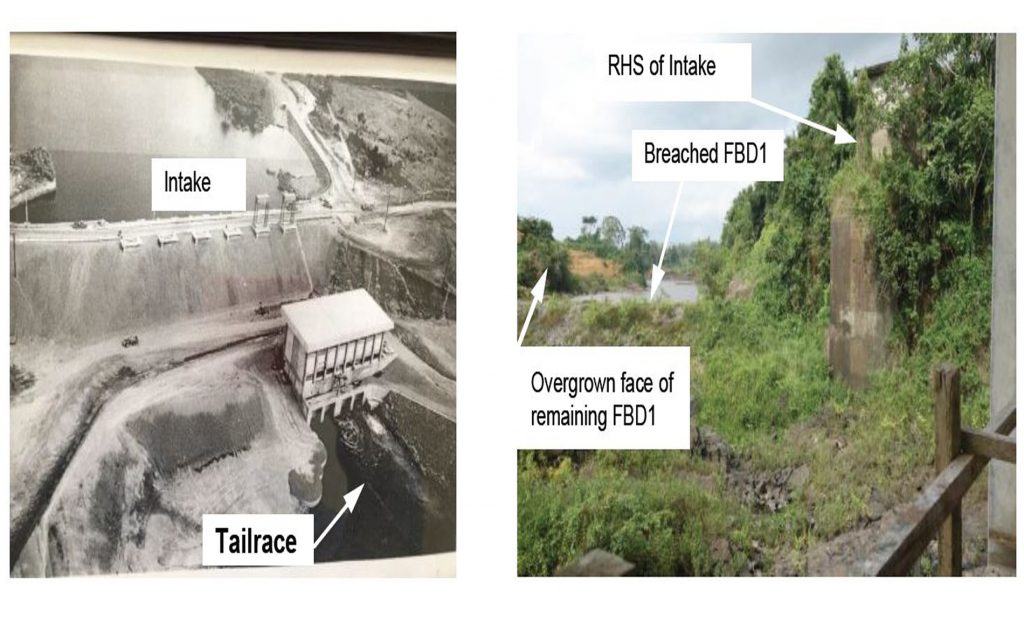
The Mt Coffee Hydropower Project was brought into commission in 1967 and successfully generated approximately 20% of Liberia’s electricity requirements until 1990 when, during the first of two civil wars, the dam was overtopped and eventually breached over a length of approximately 180 m. The dam breach occurred due to the culmination of a sequence of events that ultimately prevented the operators from gaining access to utilise an emergency generator to open more spillway gates. The powerhouse, which housed four Francis turbines with a total installed capacity of 64 MW at the time, was flooded and later stripped of all its mechanical and electrical equipment.


Read more
MB Mndwaka RMC

Development of rubble masonry concrete dam engineering in South Africa by Michelle Blaeser

Rubble Masonry Concrete (RMC) technology for dams blends ancient manual construction methods with state-of-the-art design techniques to create a dam type that history missed, the RMC arch dam. Developing a concept first implemented in neighbouring Zimbabwe in the mid-eighties, new generation RMC arch dams were introduced in South Africa in 1995. Since then the obvious benefits of this technology have been confirmed by more than ten successfully completed structures.

Rubble Masonry Concrete (RMC) dam construction has been demonstrated to be an efficient, cost effective method for the labour-based construction of small and medium sized dams. This technology is likely to become increasingly prevalent in South Africa, …


Read more
Wadi Dayqah Dam

Energy dissipation by dam crest splitters by Paul Roberts and Michelle Blaeser

There are many examples from dams around the world where a need has resulted in a technical innovation. The Roberts’ splitters are one of these examples from South Africa. When floodwaters are passed over a dam, care is needed to ensure that the energy of the flow is dissipated in a safe and controlled manner. Failure to do this can result in extensive and uncontrolled erosion of the riverbed downstream of the spillway. The conventional methods of dissipating energy when floodwaters pass over dams are either:
•Conveying the water to the toe of the dam and dissipating energy by means of hydraulic jump or roller, or
•Allowing the water to fall freely (applicable generally to arch dams) and to dissipate energy in a deep plunge pool.

Both of these methods can be expensive to construct, and recent research has indicated that serious problems are common with the operation of stilling basins where the head-water drop from reservoir to tailwater is more than 50 m.


Read more
PLRR Marie

Port Louis Ring Road Design approach of post-failure stabilisation

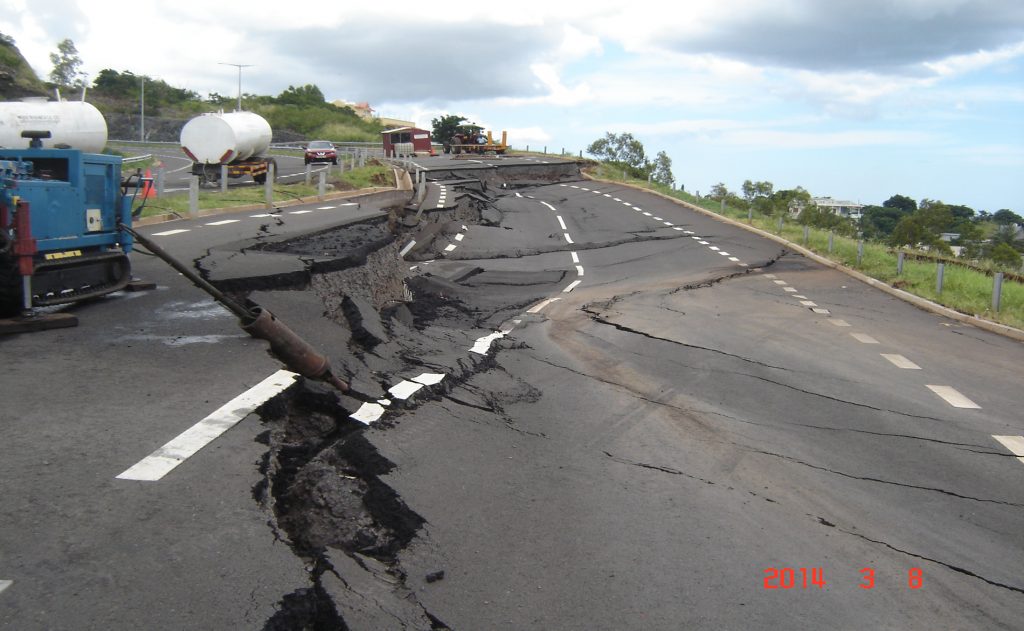
The Ring Road Phase I project was constructed during 2010-2013. In early 2014, cracks appeared on the north bound carriageway, followed by the collapse of a 15m high MSEW portion of the fill. This article by Marie Basson, Geotechnical Engineer and Engineering Geologist at ARQ, summarises the geotechnical investigation conducted to identify the failure mechanisms, the design of remedial measures, and the knowledge and understanding gained for use in future projects.


Read more
Cohesion and Friction angle variation

Variations in cohesion / friction with strain and significance in design

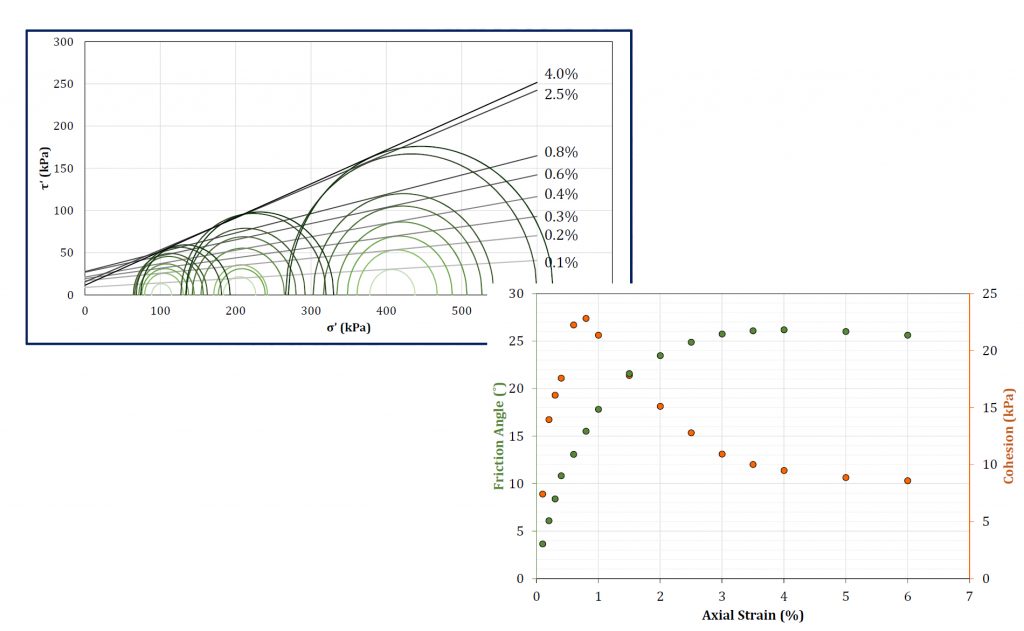
This article details findings into variations of cohesion and friction angle throughout the duration of a triaxial test. It is proposed that these parameters are, in fact, not only functions of soil tested, but also of strain. Strains within a structure under serviceability (SLS) and ultimate limit state (ULS) are vastly different. It is thus postulated that cohesion and friction angle values of a soil will also differ at these 2 limits states.


Read more