
 Dams & Hydro
 Geotech
 Advanced Numerical Analysis
Geotech



Husab Uranium Mine
Namibia

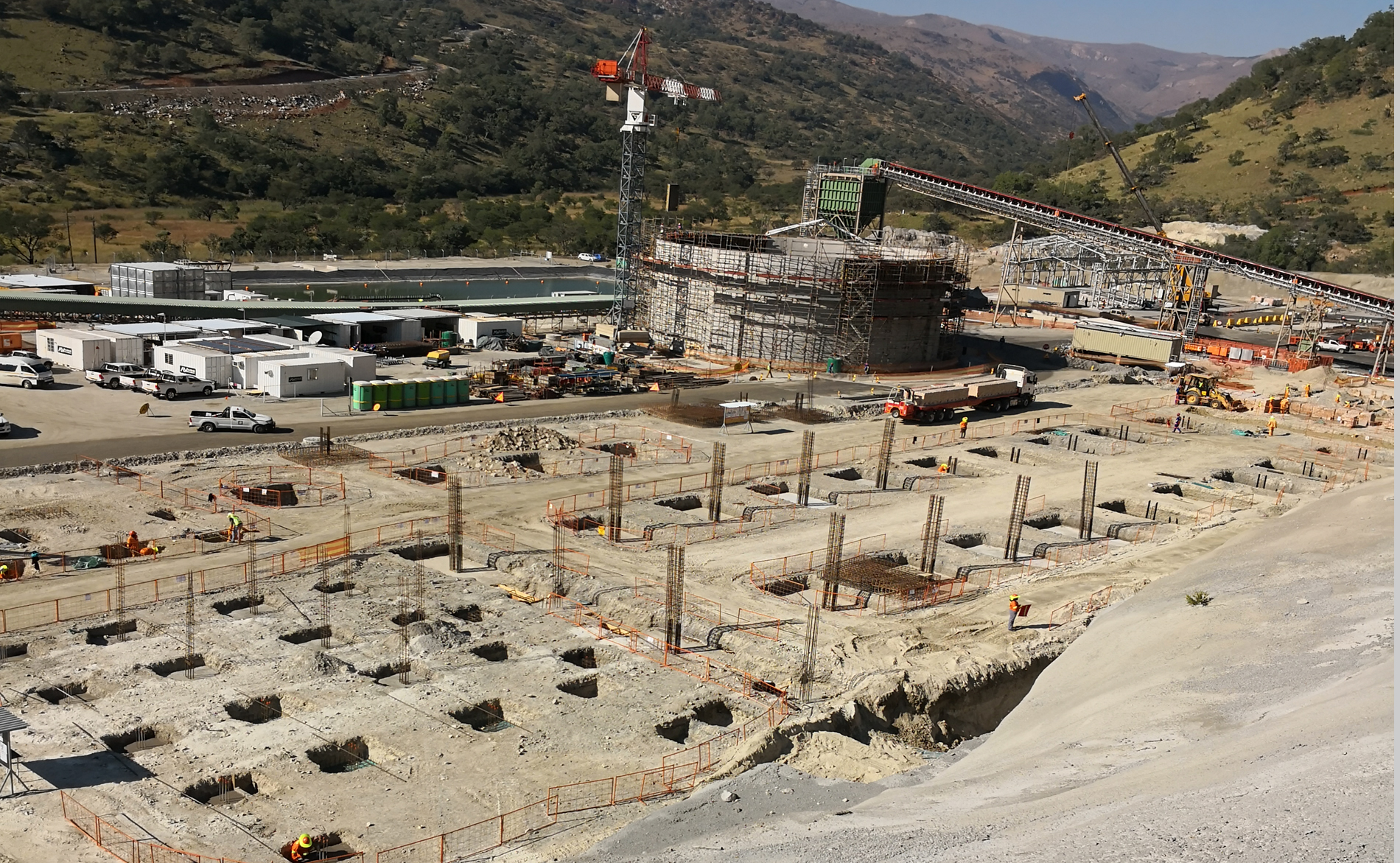
Husab Uranium Mine is located approximately 80km east of Swakopmund, Namibia, and is situated on the 3rd largest uranium deposit in the world. Based on the initial reserve estimate, Husab’s mine life is estimated to be 16 years.
ARQ was initially approached by AMEC FW in September 2011 to conduct the geotechnical investigation for the project. This involved test pits, core drilling, continuous surface wave tests (CSW), dynamic cone penetrometer tests (DCP), standard penetration tests (SPT), and extensive laboratory testing. Geotechnical information was required for both light and heavy structures, some subjected to dynamic loading, access and haul roads, potential borrow pit areas, and other ancillary structures.
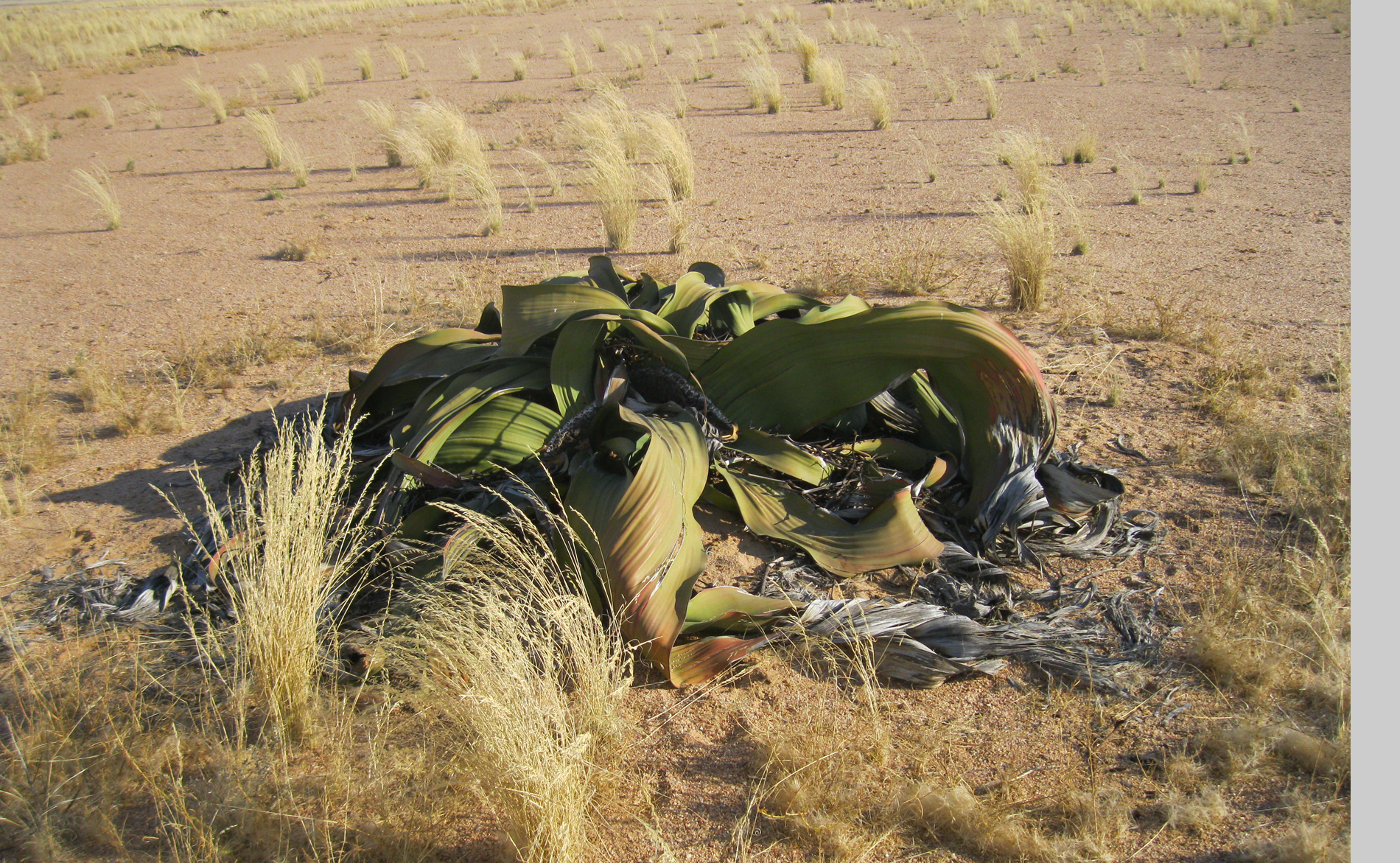
Following the successful completion of this initial investigation, ARQ was approached to assist with the design of the tip wall for the crusher building. This involved a vertical excavation to a depth of some 30m. The initial proposed design comprised lateral support during the excavation via permanent rock anchors and soil nails. This design was conducted using Rocscience’s Phase2 finite element software. The initial design, comprising permanent anchors and bolts, was refined several times, with the final design presented in July 2013. The final design presented involved splitting the lateral support design into two components. The lower portion of the lateral support, some 17m high, was constructed using anchors and bolts as initially proposed by ARQ. The upper portion, some 14m high, comprised a mechanically-stabilised earth wall (MSEW) designed by Maccaferri, and reviewed by ARQ.
Gareth Harper of ARQ was on site full-time during the construction of the lower portion of the lateral support. Site supervision was supplemented by support from ARQ’s Pretoria office, particularly under the guidance of Alan Parrock. The completion of the upper portion is expected in June 2015. Several site visits following the site supervision, along with the ongoing movement monitoring results, indicate that the lateral support earth wall is behaving as predicted with movements within the predicted and allowable range.
In May 2015, ARQ was approached to assist in creating a settlement monitoring programme for several of the more critical structures of the Husab Mine Project. This will be an ongoing arrangement with AMEC FW, with the goal of setting up a response procedure should excessive settlements be encountered throughout the lifetime of the project.
Project details
| LOCATION | Arandis, Erongo Region, Namibia View in Google Maps | |
| DURATION | September 2011 to March 2014 |